

Icherisheher
Azerbaijan
OWHC Day
OWHC Day
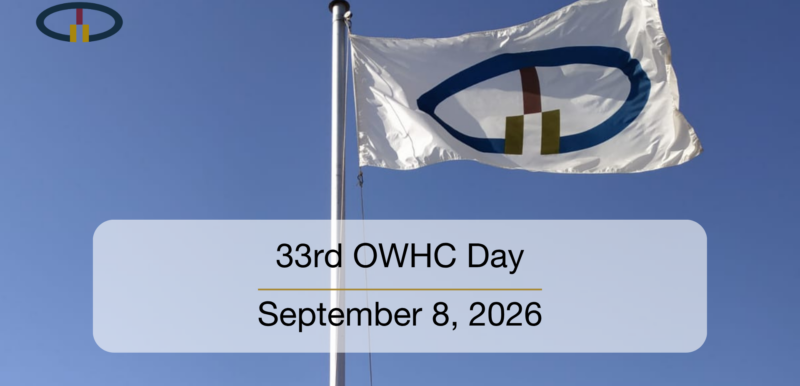
The Organization of World Heritage Cities was founded on September 8, and to commemorate this landmark event, September 8 has been declared “OWHC Day” (formerly World Heritage Cities Solidarity Day). Every year on this date, all member cities of the Organization are invited to celebrate the day.
OWHC Day is an invitation to member cities to highlight the values of the Organization, in order to strengthen the sense of belonging and community among network members.
That is why the General Secretariat is encouraging each member city’s administration to take advantage of this opportunity to raise awareness of the OWHC and its mission, by organizing a multitude of activities for their citizens.
2026 Edition: 33rd OWHC Day
Habitability refers not only to the physical quality of the living environment. It expresses a historic center’s capacity to remain a vibrant, welcoming, shared, and meaningful place for the residents of today and tomorrow. It connects heritage to residents’ daily lives, the use of public spaces, mobility, nature in the city, local services, collective memory, traditional skills, and contemporary forms of community life.
With this in mind, member cities are invited to organize activities that demonstrate how their initiatives can contribute to habitability—for example, by helping to improve local life, strengthening a sense of belonging, and fostering better ways of living, moving through, sharing, and transforming historic centers.
To foster dialogue with citizens, the proposed activities could include:
- meetings with residents focused on daily life in the historic center;
- urban walks highlighting the places, customs, narratives, and skills that define the city’s identity;
- participatory workshops on the future of public spaces, housing, mobility, or heritage sites;
- cultural, educational, or artistic activities that connect memory, heritage, and quality of life;
- symbolic actions in public spaces to celebrate membership in the OWHC and the cities’ commitment to habitability and to historic centers that are vibrant, inclusive, and sustainable.
33th OWHC Day
Granada
In Granada, several free activities gave residents and visitors the opportunity to rediscover the Albaicín and its living heritage. The School of Arabic Studies (CSIC) notably opened the doors of the Casa del Chapiz, a historic Moorish house, and offered a free guided tour. The Albaicín Agency and its partners also organized tours focusing on Sephardic heritage, the tales and legends of the Albaicín and the Alhambra, as well as the neighbourhood’s Muslim origins. These activities highlighted the cultures, traditions and stories that have shaped Granada’s identity, while also reminding participants that its historic centre remains a living, shared space deeply connected to everyday life.

Vilnius
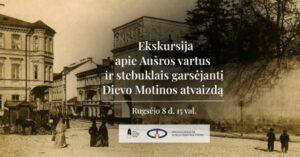
In Vilnius, OWHC Day offered an opportunity to discover the history of one of the city’s most iconic landmarks: the Gate of Dawn. A free guided tour led by Dr Juozapas Blažiūnas, art historian and Director of the Vilnius Old Town Renewal Agency, explored the history of the gate as well as that of the famous painting of the Blessed Virgin Mary housed there. Through this activity, the city highlighted the historical, spiritual and collective significance of this site, which is deeply rooted in the memory of Vilnius and its residents.
Córdoba
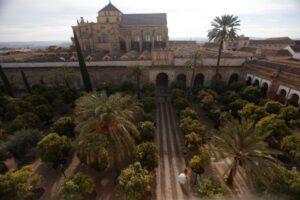
In Córdoba, the celebration began with the traditional raising of the OWHC flag at the Puerta del Puente, in the presence of Mayor José María Bellido and Lourdes Morales, Councillor for the Historic Centre. A theatrical tour then guided participants through the city’s various UNESCO recognitions. From the Mosque-Cathedral to the historic centre, Medina Azahara and the Patios of Córdoba, several historical characters accompanied the public on a journey designed to make heritage accessible, lively and participatory. The activity offered a different way of telling the story of Córdoba’s international recognitions and highlighting the importance of preserving them.
Icherisheher
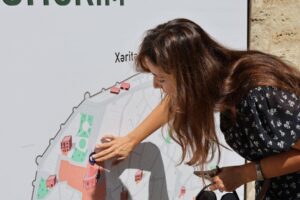
In Icherisheher, OWHC Day placed citizen participation at the heart of the celebrations. The conference “My Icherisheher: Living Heritage, Living Community”, held at the Baku Photo House, brought together residents, public institutions, heritage professionals, experts and representatives of UN-Habitat to discuss issues related to heritage preservation, digital solutions and everyday life in the historic city. The event also marked the launch of the “Habitability Map”, a participatory map inviting residents and visitors to identify their favourite places, areas in need of improvement, and suggestions regarding services, cultural activities and the quality of the urban experience.
Luxembourg
In Luxembourg, the Luxembourg City Tourist Office and the Lëtzebuerg City Museum offered a free UNESCO walk to discover the heritage of the old town and its former fortifications, inscribed on the World Heritage List since 1994. Starting from Place Guillaume II, the route passed through Pétrusse Park, the Corniche and the ramparts before reaching the old town. The tour also included a visit to the archaeological crypt of the Citadelle du Saint-Esprit and ended at the UNESCO Visitor Centre of the Lëtzebuerg City Museum. It offered participants an opportunity to experience the history and urban heritage of the capital firsthand.

Évora
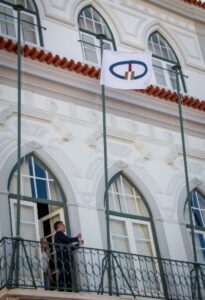
In Évora, Mayor Carlos Zorrinho marked OWHC Day by raising the Organization’s flag at City Hall. This symbolic gesture recalled Évora’s commitment, as a city inscribed on the UNESCO World Heritage List since 1986, to the international network of World Heritage Cities. The city thus reaffirmed its dedication to heritage protection and to building a sustainable future, in keeping with the spirit of the OWHC’s New Urban Project.
Krakow
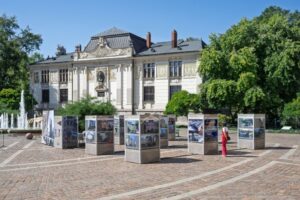
In Krakow, an outdoor exhibition dedicated to historic monuments was inaugurated on September 8 in Szczepański Square to mark OWHC Day. Through this initiative, the city sought to highlight the importance of protecting heritage values while also safeguarding the quality of life of local communities. Krakow residents also sent their greetings to fellow member cities, emphasizing the importance of sharing knowledge and experiences within the network to preserve and pass on this common heritage to future generations.
Puebla
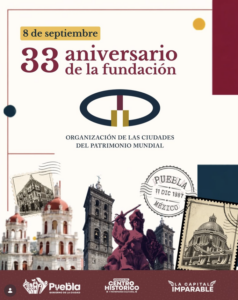
In Puebla, OWHC Day provided an opportunity to celebrate 33 years of cooperation among World Heritage Cities. Through a campaign shared on social media, the Gerencia del Centro Histórico y Patrimonio Cultural recalled that historic centres remain vibrant thanks to the participation and collaboration of those who live in them, move through them and enjoy them every day. The city thus highlighted an essential idea: heritage is a shared responsibility, and its preservation depends on collective commitment to the community’s memory, identity and cultural richness.
Québec
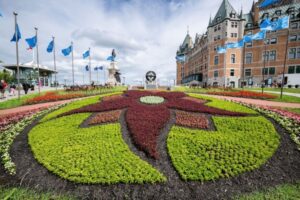
In Québec, the celebration highlighted Old Québec, recognized as a UNESCO World Heritage Site. The City invited residents to celebrate this exceptional area, which bears witness to more than 400 years of history while also remaining a vibrant neighbourhood that is visited, inhabited and enjoyed every day by thousands of people. By inviting residents to share their favourite place in Old Québec, the initiative served as a reminder that the value of heritage is also built through personal connections, everyday uses and residents’ attachment to their living environment.
San Antonio
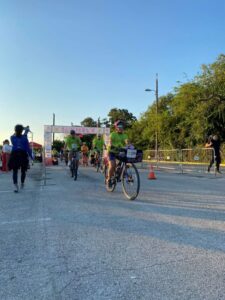
In San Antonio, the celebrations continued with the 11th edition of the World Heritage Festival, held from September 9 to 13 and also marking the 11th anniversary of the inscription of the San Antonio Missions on the World Heritage List. Over five days, family activities, gatherings, cultural programming and educational events helped bring the community closer to its heritage. Highlights included activities exploring the history of the missions, a theatrical reading, and the popular Tour de Las Misiones, combining cycling, walking and running around the historic sites. The festival celebrated local culture, community engagement and the role of the Missions in San Antonio’s identity.
Segovia
In Segovia, OWHC Day was marked by the raising of the Organization’s flag on the Walls of Segovia, near the Puerta de Santiago and the Francisco Peralta Puppet Collection. Through this symbolic gesture, the city reaffirmed its membership in the OWHC’s international network as well as its commitment to the protection, conservation and transmission of its historical and cultural heritage. The choice of this emblematic site, both a historic gateway into the city and a place associated with a local artistic tradition, also helped raise public awareness of the importance of World Heritage and highlight the value of cooperation among member cities.

News




11 October 2023
30th World Heritage Cities Solidarity Day: Recap of Member Cities’ Activities!
OWHC Day
8 September 2023
Let’s celebrate the 30th Solidarity Day of World Heritage Cities together!
OWHC Day
Together towards the New Urban Process
Technical Assistance and Cooperation
Youth and citizens
Communication
Find Us

Espace Quatre Cents
100, Quai Saint-André, Bureau 140
Québec (Québec) G1K 3Y2
Canada
+1 418 692-0000
Confidentiality Policy
Social Media Policy