

A regulatory model for short-term rentals to enhance the living conditions of historic centers
Split
Croatia
OWHC Good Practices
As part of the Quebec Roadmap
The initiative aims to build a database of “Good Practices” in OWHC member cities that illustrate the concept of habitability. Good Practices can either be implemented or ongoing, and highlight experiences that can contribute to the New Urban Project. The database will also be an initial operational contribution that cities can immediately use for their urban projects.
The Good Practices inventory is based on contributions from cities as part of the activities of the New Urban Project (Collaborative Networks, CityLabs, etc.) or in response to the collection of Good Practices through a Google Form. To be published in the database, a Good Practice must demonstrate concrete, positive, and measurable results.
Good Practices will be published monthly until the 18th World Congress of the OWHC in Marrakech (October 26-29, 2026).
For more information on the process, please refer to the following explanatory document:
Collection of Good Practices
For any questions, contact Adriana Huerta-Nuñez – Project Officer in Urban Heritage : [email protected]
Good practices
Supporting the residential function in commercial areas of historic centers
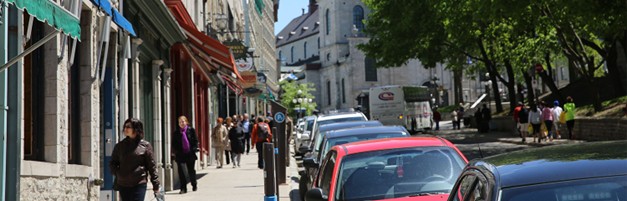
Quebec City has set up a financial assistance program for owners of old buildings located along a major commercial corridor in the old city (St-Jean Street and Côte de la Fabrique). This program encourages the renovation or improvement of vacant or partially vacant commercial buildings in order to convert them into housing, increasing the residential supply in the neighborhood. By encouraging the arrival of new residents, the program helps to enhance the attractiveness and vitality of commercial arteries throughout the year.
Download the sheet
Pop-up stores: revitalizing shopping streets through local innovation
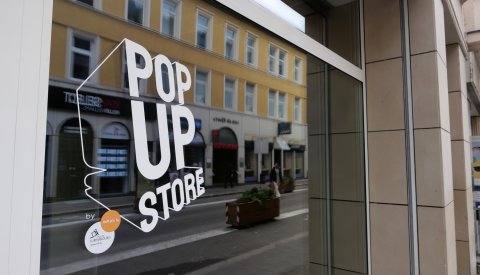
The Pop-up Stores program, launched in 2018, allows young entrepreneurs to test their business concepts in pop-up stores located in vacant premises in the historic center. By offering these spaces at a modest rent for 6 to 11 months, the city aims to support local entrepreneurship and revitalize the shopping streets of the historic center.
Download the sheet
Using citizens’ knowledge to plan neighborhood developments tailored to residents’ needs.
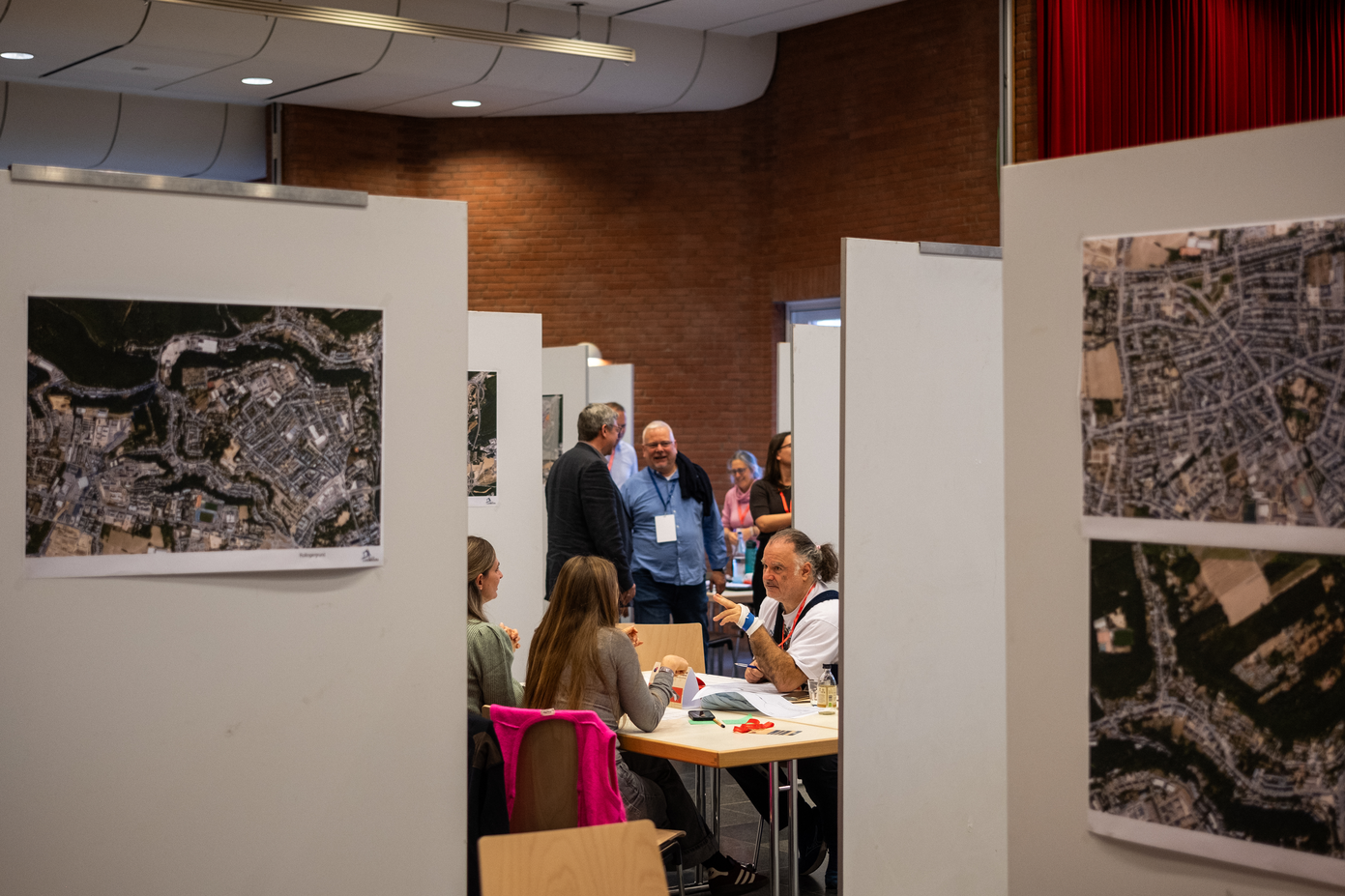
The City of Luxembourg has developed Quartierspläng (neighborhood plans) for each of its 24 neighborhoods —including the historic center— in collaboration with residents, associations, merchants, and unions. The participatory approach, rooted in the vision of the “15-minute city,” mobilized more than 4,000 citizens and generated more than 3,500 concrete proposals. The plans, particularly for historic neighborhoods, enhance public spaces and meeting places to improve quality of life and community living.
Download the sheet
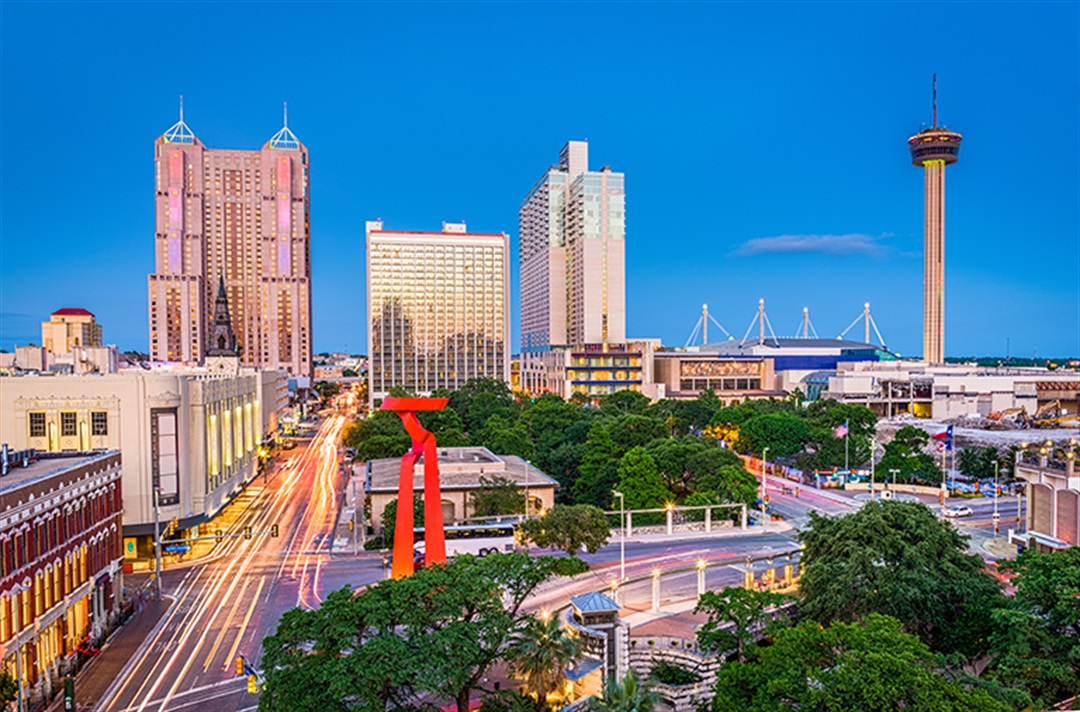
San Antonio’s Short-Term Rentals (STR) Regulations constitute an ongoing municipal program designed to regulate platforms such as Airbnb and VRBO. Initiated in 2018, its main objective is to protect residential areas while allowing STR activity under controlled conditions. Led by the City’s Development Services Department (DSD), the regulation establishes a comprehensive framework that differentiates between owner-occupied and non-owner-occupied rentals, limits the density of STRs in residential areas, enforces platform accountability, and ensures fair tax collection.
Download the sheet
A co-construction mobility-based approach to improve the living conditions in the historic center
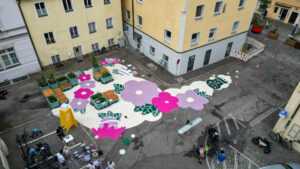
A mobility-based approach has enabled the City of Regensburg to improve the quality of life in the historic centre. The long-term strategy developed through the Old Town Mobility Plan aims to reduce car dominance, improve pedestrian and cycling conditions, reorganize parking, and requalify public spaces. Led jointly by the City Planning and Traffic Planning Departments, the program ensures that mobility supports the Old Town’s role as a living, multifunctional district.
Download the sheet
Organising dialogue between stakeholders in the historic centre
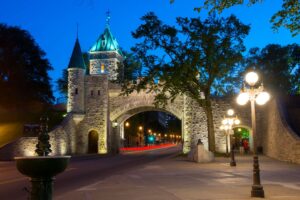
The Round Table is a city initiative aiming to promote collective responsibility for the management and development of the historic centre. It brings together key institutional, community and private stakeholders to establish dialogue and encourage the search for concrete solutions by formulating proposals for the municipality’s action plan dedicated to the historic centre.
Download the sheet
Making a Climate-Resilient Historic Center through physical actions
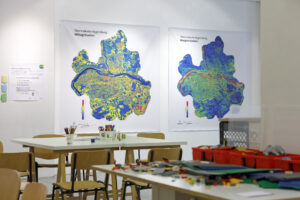
The City of Regensburg has implemented an applied research and pilot project aimed at strengthening the climate resilience of Regensburg’s Old Town. The project focuses on reducing heat stress in historic public spaces, by designing and testing heritage-compatible climate adaptation measures, using temporary and reversible interventions co-developed with residents, experts and local authorities. The project will produce useful data for long-term redesign strategies.
Download the sheet
A single entity for an integrated governance of the historic centre
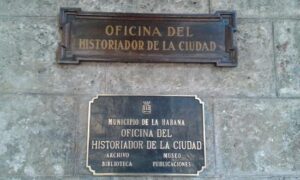
Established in 1994, the Office of the Historian brings together in a single entity the skills needed to coordinate actions in the areas of heritage, urban planning, social development, culture and the local economy to ensure the integrated management of the historic centre of Havana. This autonomous entity manages the rehabilitation of the historic centre, while ensuring that its residential function is maintained and improving the living conditions of its inhabitants. It has the authority to interact with the three levels of government: local, provincial and national.
Download the sheet
Establishing ongoing dialogue between local heritage stakeholders
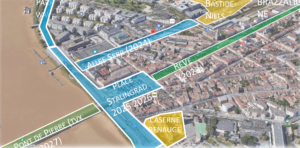
Since 2009, the City of Bordeaux has had a consultative body in the form of a committee that aims to maintain a structured and regular dialogue between urban project leaders (urban development, architecture, public spaces, infrastructure) and heritage stakeholders (government departments, experts, associations, civil society). Its objective is to assess architectural or urban transformation projects designed to meet contemporary needs in light of World Heritage requirements, to share the attributes of Outstanding Universal Value (OUV) and to guide projects that reinforce – or at least do not have negative impacts – OUV and improve habitability in the historic centre.
Download the sheet
Transforming the historic centre through de-mineralisation and greening
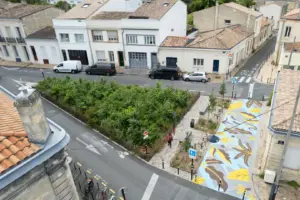
Bordeaux Nature Size is a municipal programme launched in 2020. Still ongoing, it aims to adapt the historic centre – which is currently very hard-surfaced – to the challenges of climate change, making it cooler, more inclusive and more resilient. The programme is structured around key pillars: preserving existing nature, planting wherever possible, developing nature accessible to all neighbourhoods, and transforming public spaces by reducing the space allocated to cars in favour of soft mobility and more people-friendly uses.
Download the sheet
News
21 January 2026
Collection of Good Practices for the New Urban Agenda and the World Congress
OWHC Good Practices
Together towards the New Urban Project
Technical Assistance and Cooperation
Youth and citizens
Communication
Find Us

Espace Quatre Cents
100, Quai Saint-André, Bureau 140
Québec (Québec) G1K 3Y2
Canada
+1 418 692-0000
Confidentiality Policy
Social Media Policy