Registered Sector:
Historic Centre of Mexico City and Xochimilco
Location and site:
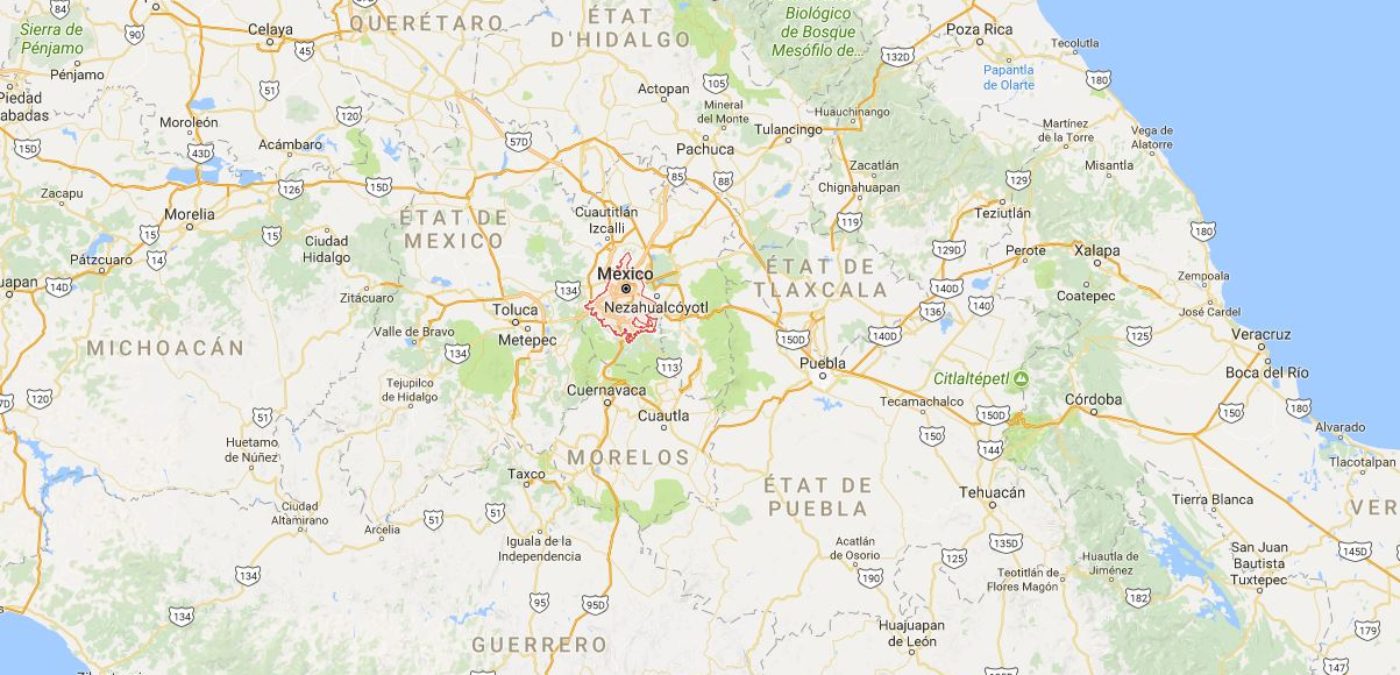
Mexico City and Xochimilco are in the heart of the Anahuac Valley (Valley of Mexico). Situated at 2,250 m. above sea level, they are surrounded by high volcanic summits. The World Heritage Site includes the historic and archaeological areas of the Templo Mayor and Xochimilco.
Administrative Status:
National capital and chief city of the Federal District.
Urban Morphology:
The Zocalo, a quadrangular esplanade in the historic centre of Mexico City, adjacent to Templo Mayor, was superimposed on the earlier urban square of Tenochtitlan, and the gardens of Xochimilco testify to the lacustrine works of the Aztecs. The heart of Mexico City was conceived according to a rectilinear plan, the arteries of which were traced on the earlier dikes. The new Spanish city possessed no ramparts as the waters surrounding it provided its defense.
The colonial architecture of the centre of Mexico City presents a coherent ensemble which is enhanced by the use of "tézontle," a vocanic material. The facades of the buildings that border the Zocalo Esplanade vary in style from Baroque (and Churrigueresque) to Neoclassical. The nearby ruins of the Templo Mayor testify to the different stages of the expansion of Tenochtitlan, as well as to its Aztec past.
Registration Criteria:
Between the 14th and 19th centuries, Tenochtitlan and Mexico City exerted a decisive influence on the development of architecture and the monumental arts and the organisation of space. (II) The Templo Mayor presents an exceptional testimony to the traditions of a lost civilisation. (III) The capital of New Mexico - with its rectilinear plan, the regularity of its squares and streets, the splendour of its civic and religious architecture - is an eminent example of the Spanish foundations of the New World. (IV). The lacustrine landscape of Xochimilco constitutes the only remaining testimony to the Pre-Hispanic occupation. (V)